Finding & Observing Pisces
Updated by Ian Clayton · star positions for the UK (52° N)
When Can You See Pisces from the UK?
The best time to see Pisces from the UK is on September to January evenings. In November it is due south at about 9pm GMT, roughly 49° up from Birmingham. At its highest it reaches about 51° from Plymouth and 45° from Edinburgh.
| Month | Jan | Feb | Mar | Apr | May | Jun | Jul | Aug | Sep | Oct | Nov | Dec |
|---|---|---|---|---|---|---|---|---|---|---|---|---|
| Height | 28° | 10° | – | – | – | – | – | 7° | 26° | 41° | 49° | 43° |
| Look | W | W | – | – | – | – | – | E | E | SE | S | SW |
Jump to section 7 sections
How to Find Pisces
Finding Steps
Seasonal Visibility
| Month | Direction | Altitude at 10 PM | Observability |
|---|---|---|---|
| August | East-southeast, very late | ~5° | Very low, late night only |
| September | East, rising at midnight | ~15° | Becoming visible mid-evening |
| October | East-southeast, 50°+ altitude | ~50° | BEST MONTH: excellent height and darkness |
| November | Due south, still high | ~45° | Still very good, starting to set |
| December | Southwest, fading | ~25° | Setting earlier each night |
What Are the Brightest Stars in Pisces?
Mythology & History
What Can You See in Pisces With Binoculars or a Telescope?
Beginner Observing Guide
Observing Kit
Recommended equipment for observing Pisces
Kit we've reviewed in full
Pisces rewards patience. Its stars are faint but the Circlet asterism is a satisfying finder target, and TX Piscium is one of the reddest stars you can observe with a small telescope, a carbon star so red it looks almost unreal. Sweep slowly and the area yields background galaxies too.
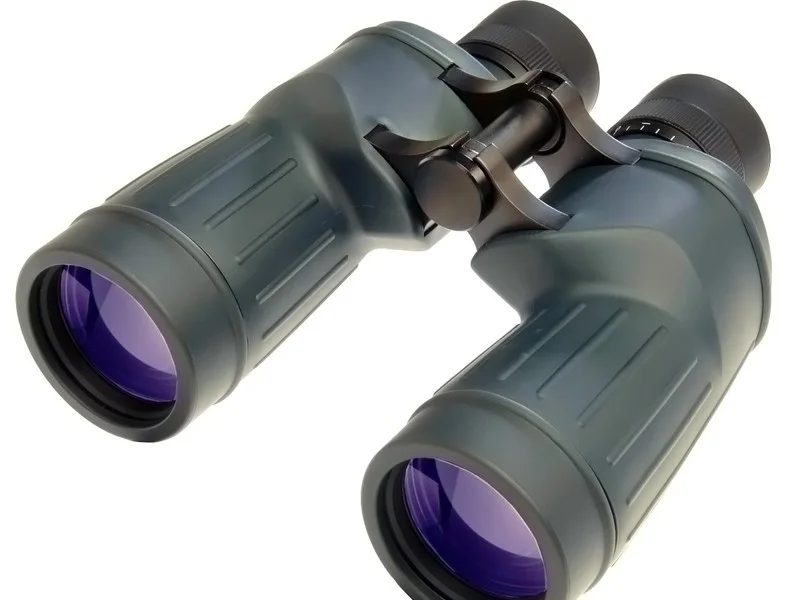
The Circlet, the small ring of stars marking the western fish's head, is a pleasing binocular pattern. TX Piscium's deep orange-red colour is noticeable even in binoculars against the blue-white background stars. Alpha Piscium is a slightly closer double that just splits in good binoculars. A useful constellation for navigating the Pegasus Square region.
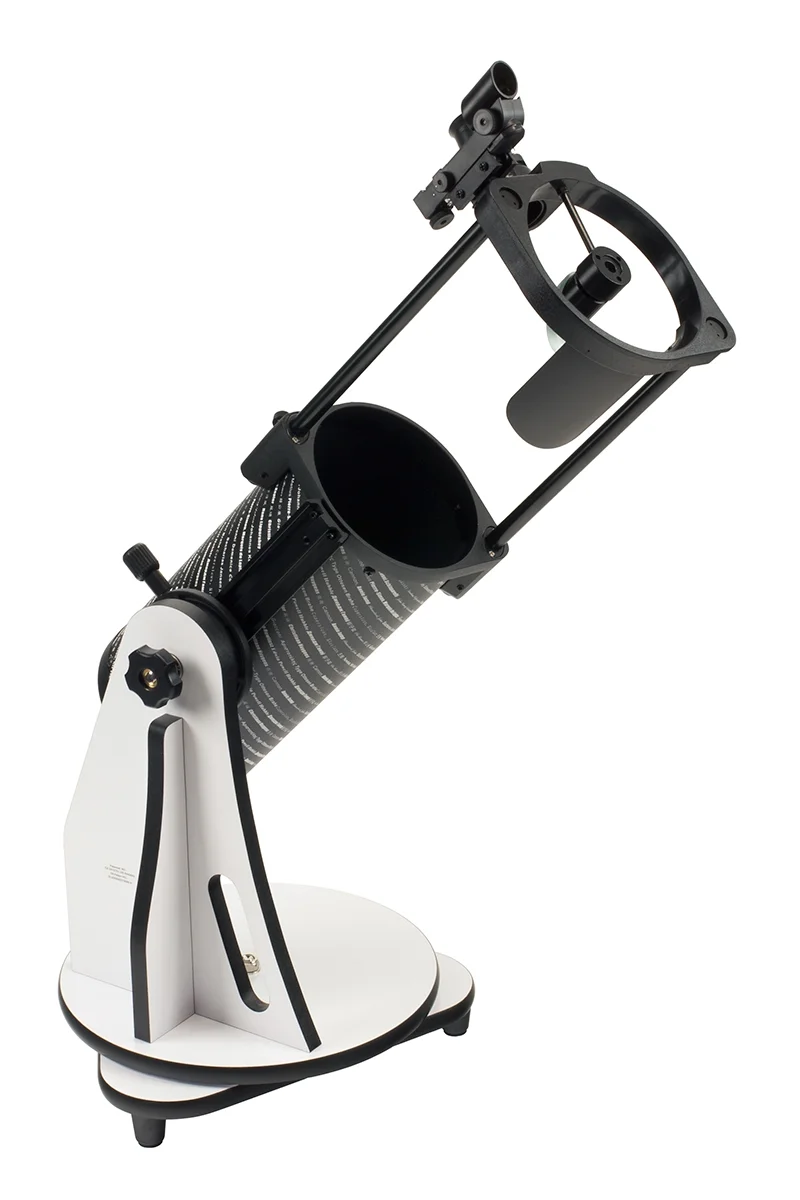
TX Piscium at 50× is a deep red-orange carbon star, one of the coolest and reddest you can find. The colour intensifies at higher magnification. Alpha Piscium (Alrescha) is a tight but satisfying double at 150×. NGC 488, a beautiful face-on spiral galaxy, shows as a round glow with a brighter core, a rewarding find in a faint constellation.
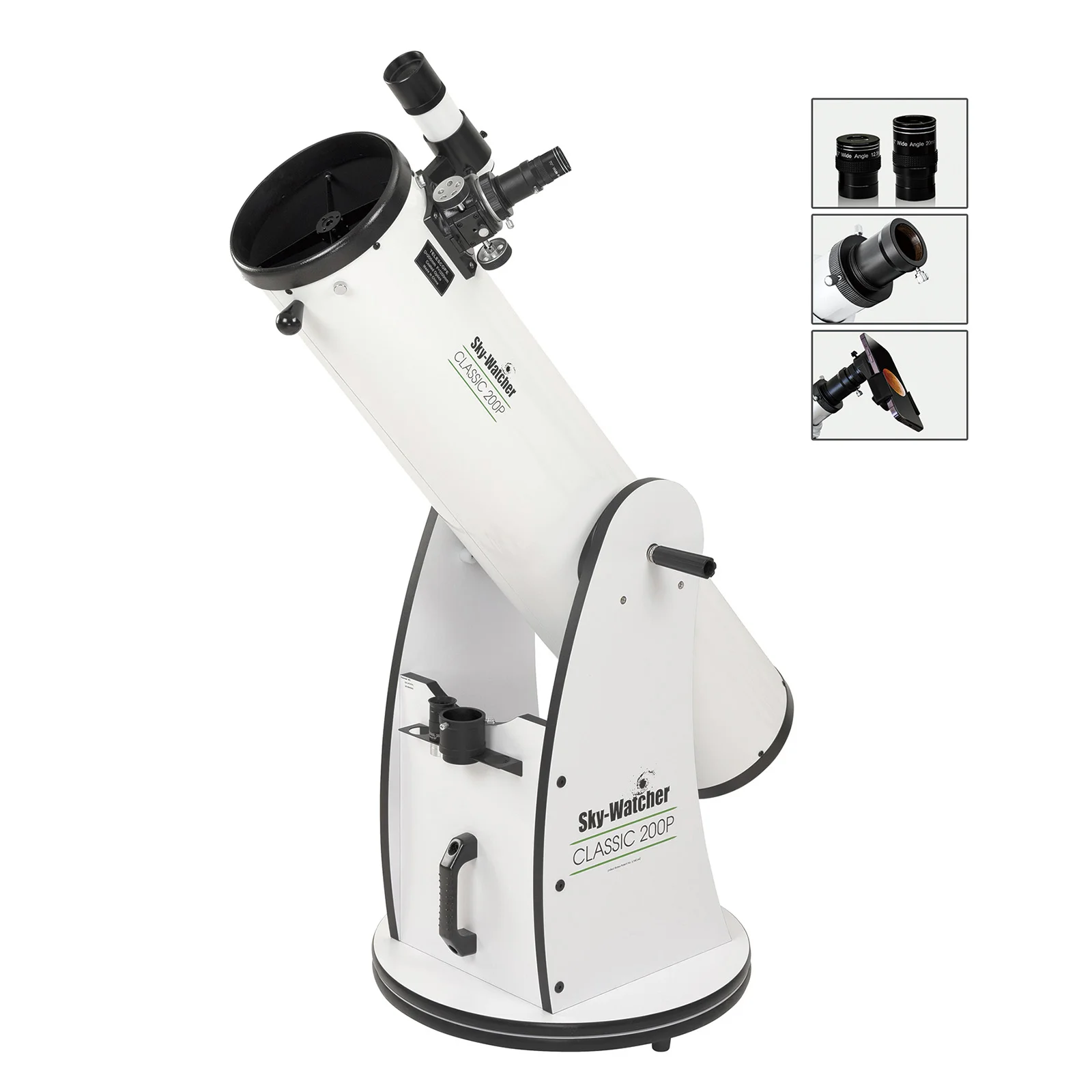
NGC 488's spiral structure becomes more apparent at 150× with averted vision. NGC 524, a lenticular galaxy, shows as a smooth elliptical glow. The M74 group in nearby Pisces (though M74 is on the border with Aries) rewards 200mm on a dark night with its low surface-brightness arms. This area benefits from the longest possible dark adaptation and the steadiest seeing.
Affiliate links: you pay the same price, we earn a small commission that helps keep WatchTheStars free.
Need help choosing? See our binoculars and telescope guides.