Tools · Weather · Updated Wednesday 25 November 2026
Astronomy weather forecast UK: 7-night stargazing outlook
This page checks the cloud forecast for the next seven nights across eight UK cities, or your own postcode or town anywhere in the UK and Europe, and rates each night Good, Fair or Poor for stargazing. The ratings use the hourly Open-Meteo forecast averaged between 20:00 and 02:00, the hours most of us are actually outside. Tonight's dark hours and the Moon are below, computed for the UK at build time.
Is tonight a good night for stargazing?
Tonight (Wednesday 25 November 2026) the sky is fully dark from about 17:25 to 06:25 GMT. Whether you see any of it depends on cloud, which the 7-night table below covers.
The Moon is full (97% lit) and is up all night, so faint targets will suffer. Times are GMT, worked out for the middle of the UK when the page was last built.
7 planets are up tonight. For what to look at once you are outside, including planets, the Moon and meteor showers, see what's in the UK night sky this week.
For a single score that combines tonight's cloud, Moon and light pollution for your postcode, use our stargazing tonight page. For the Moon on its own, is it a full moon tonight has the phase and rise and set times.
Astronomy weather forecast for the next 7 nights
Each cell is the average cloud cover forecast between 20:00 and 02:00 for that night, rated Good under 25%, Fair from 25% to 60% and Poor above 60%. Forecasts come from Open-Meteo and refresh every time you load the page. Pick your country and add a postcode or town, anywhere in the UK, Ireland or Europe, for a row at your location. It uses 20:00 to 02:00 in your local time.
| City |
|---|
Cloud forecasts more than three nights ahead change a lot. Treat nights 4 to 7 as a guide to the pattern and check again on the day. The eight city rows use UK time; your own row uses your local time.
What makes a good stargazing forecast (cloud, transparency, seeing, Moon, dew)
A good stargazing forecast needs five things to line up: little cloud, clear air, steady air, a Moon that is out of the way, and a dew point low enough to keep your optics dry. Cloud is the one that stops you going out at all. The other four decide what you will actually see once you are there.
- Cloud cover. The total percentage is a start, but the type matters. Low cloud (stratus, fog) hides everything. Mid-level cloud comes and goes in bands, so gaps are common. High cloud (cirrus) lets the Moon and planets through but smears out faint galaxies and the Milky Way. Clear Outside and Meteoblue split the three layers out for exactly this reason.
- Transparency. How clear the air is between you and space. Haze, moisture, dust and smoke all scatter light and dim faint objects. The best transparency in the UK usually comes on a cold night a day or two after a front has passed and washed the air clean.
- Seeing. How steady the air is. Turbulence makes stars twinkle and turns a crisp view of Jupiter's belts into a boiling blur. Seeing is often worst on those crisp post-frontal nights and best on still, slightly hazy ones, so the Moon and planets and the deep sky prefer different weather.
- The Moon. A bright Moon washes out anything faint. Plan deep-sky sessions for the week either side of new Moon, and use the bright half of the month for the Moon itself, the planets and double stars. The phase is on our is it a full moon tonight page.
- Dew. On a still, clear night the glass in your telescope cools faster than the air and dew forms on it, usually about an hour in. A small gap between air temperature and dew point in the forecast means dew is coming. A dew shield and a heater band fix it; our telescope dew prevention guide explains how.
- Wind. Anything over about 15 mph shakes a telescope on a light mount and makes binoculars jump. Find shelter from the wind, not just from streetlights.
Light pollution does not change with the weather, but it changes what a clear night is worth. If the table shows a Good night and you can travel, our UK dark sky sites map finds the nearest dark site to your postcode. Then check the UK night sky this week for what is up, and is there a meteor shower tonight in case the clear night lands on a peak.
Best weather apps and sources for UK astronomers
Most UK astronomers use the Met Office for the overall picture and one or two cloud-specific forecasts for the hour-by-hour detail. None of these is paid for or linked to us. They are the ones that get used in practice.
Whichever you use, compare at least two. UK cloud forecasts are good at the pattern and weak on the exact hour a gap arrives. When Clear Outside and the Met Office disagree, the night is uncertain, and uncertain is often fine: have the best binoculars for stargazing ready by the door and take whatever gap comes. If the forecast shows a clear northern sky and the UK aurora forecast is active, that is a night to drop everything for.
What to take out on a clear night
Kit we've reviewed in full
When the forecast finally comes good you want to be outside in minutes, not hunting for kit. A red torch keeps your night vision, and a pair of binoculars by the back door makes the most of a clear gap that a telescope would miss.
Lepro Rechargeable Head Torch with Red Light (2 pack)
A red head torch leaves both hands free for charts and eyepieces and keeps your dark adaptation, which takes 20 minutes to build and one white light to lose.
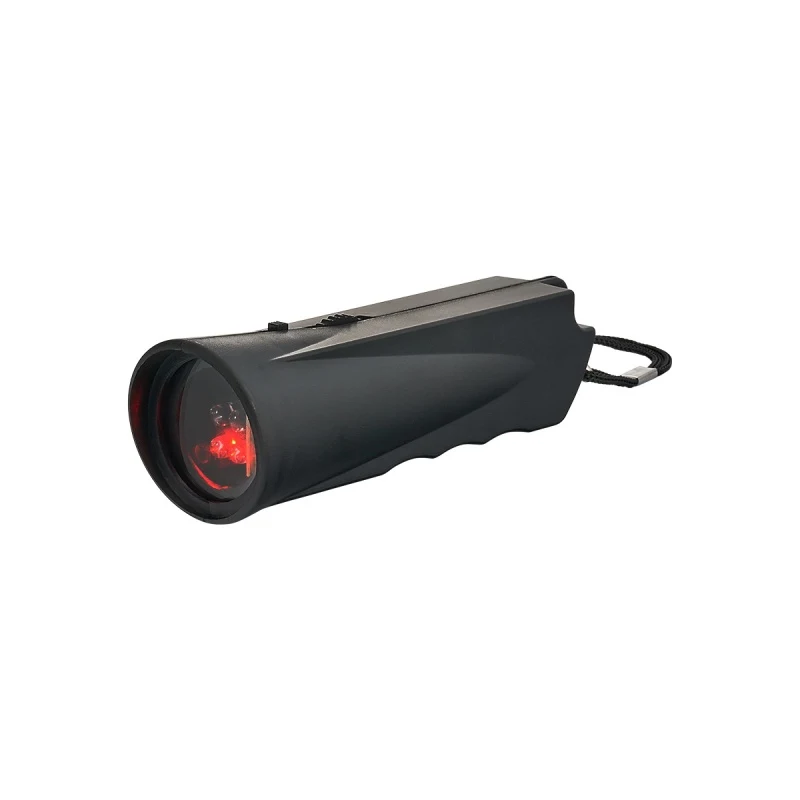
Astro Essentials Red Light Torch
A small red hand torch for reading a chart or finding a dropped eyepiece cap without lighting up the garden.
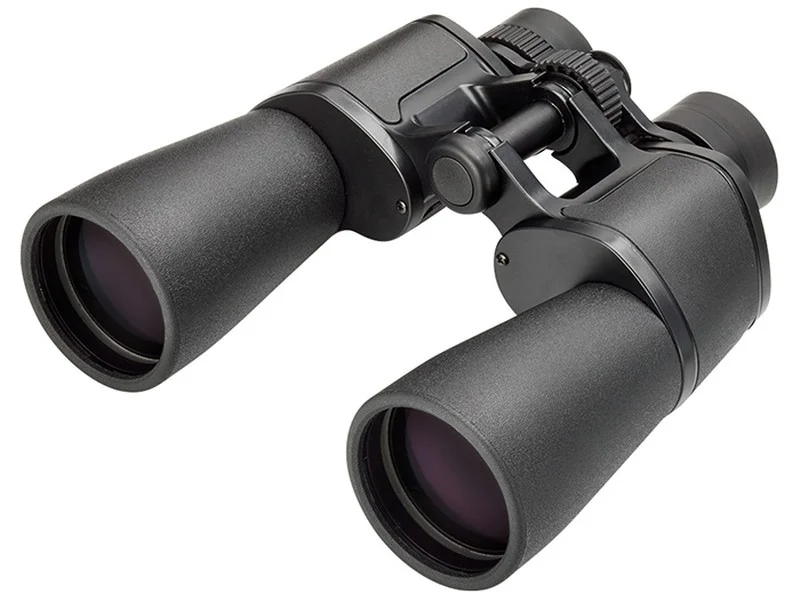
10x50 binoculars need no setting up, so a 40-minute clear gap in a cloudy forecast becomes 40 minutes of the Moon, star clusters and the Milky Way.
Browse all our equipment reviews
Honest, research-based recommendations for every budget.
Browse all →Affiliate links: you pay the same price, we earn a small commission that helps keep WatchTheStars free.
New to all this? Our stargazing for beginners guide covers the first few nights, and stargazing tips has the small habits, like dark adaptation and dressing warmer than you think, that make a clear night count.