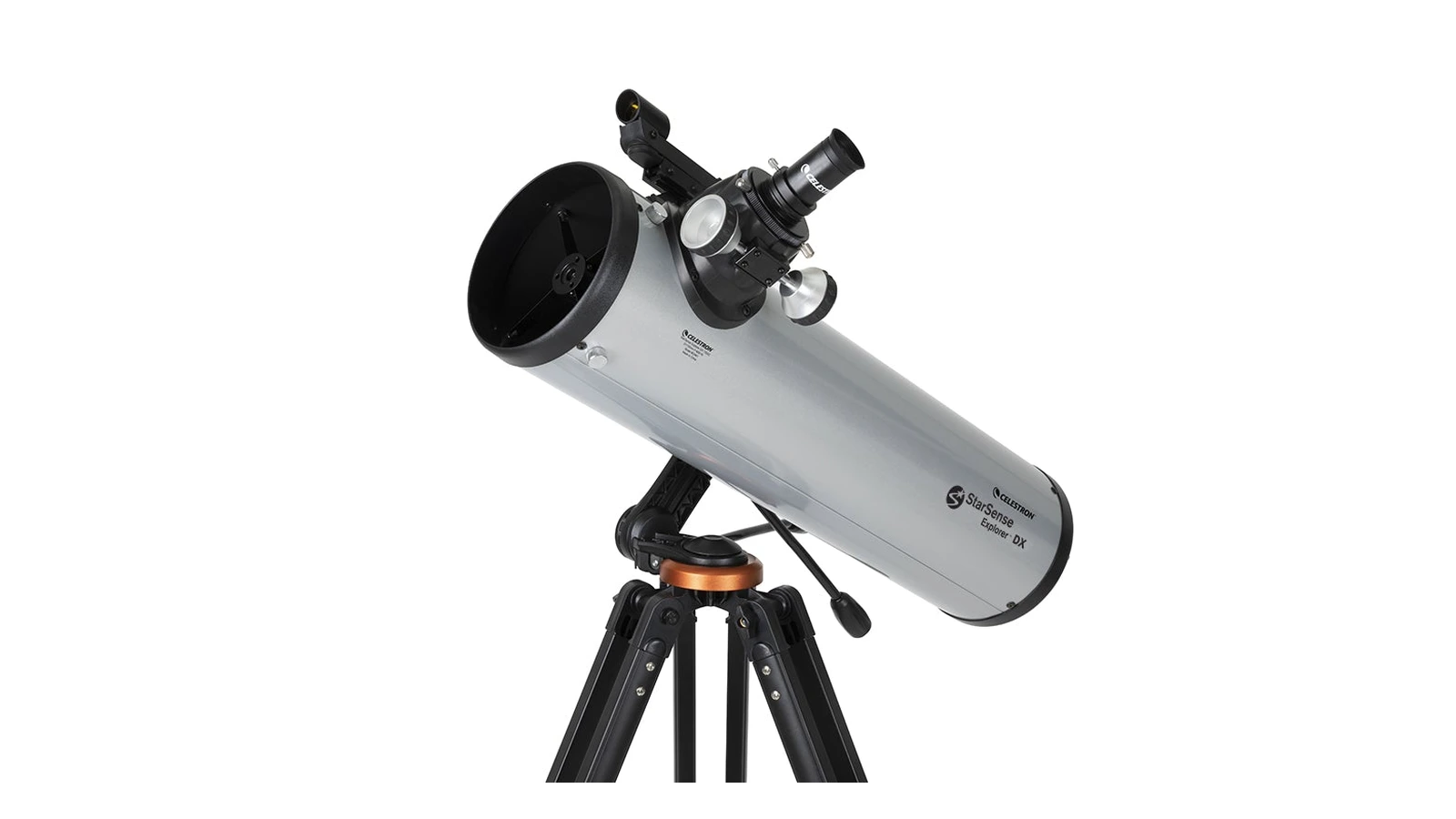
Best beginner telescopes at a glance
Ranked for a first telescope. Prices come from our product data and are checked against First Light Optics.
Best first telescope
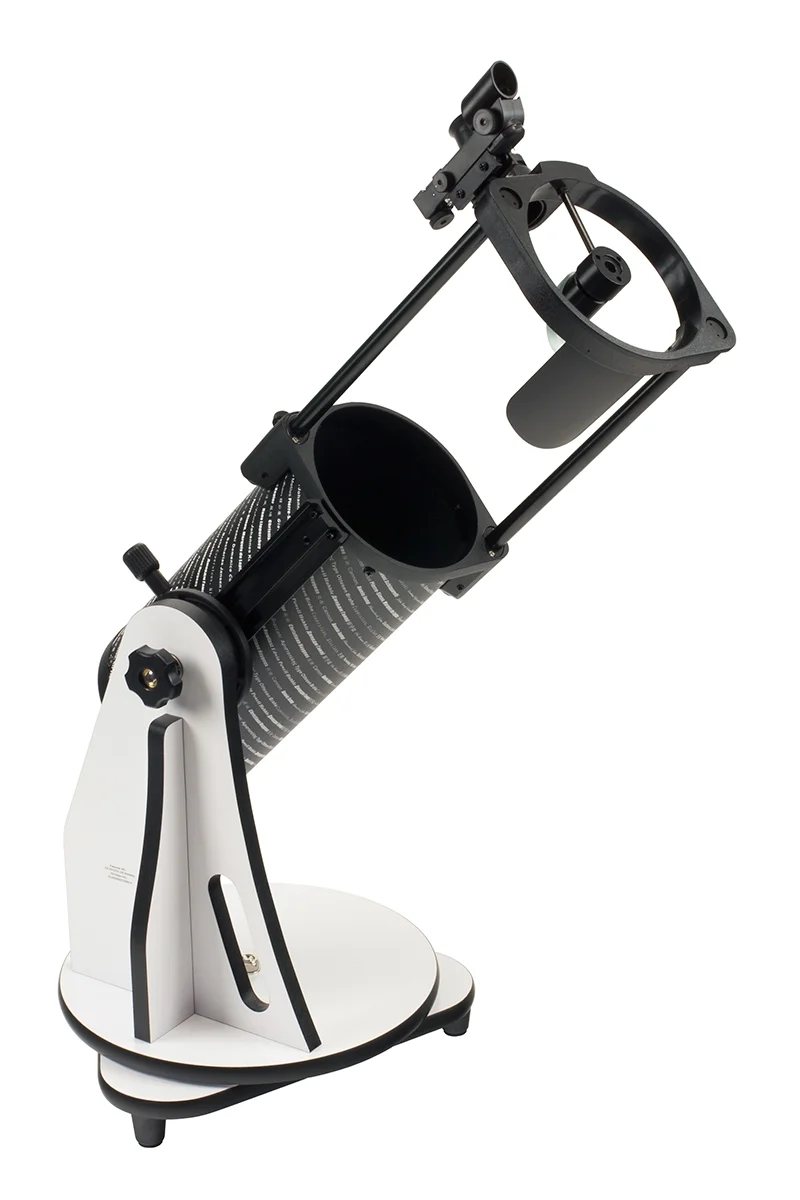
Sky-Watcher Heritage 130P
★ 4.6/ 5, our rating
£194
130mm · f/5 · Tabletop Dob
The Heritage 130P is the safest first telescope in the UK: cheap enough to be a safe bet, good enough to keep.
Editor's choice
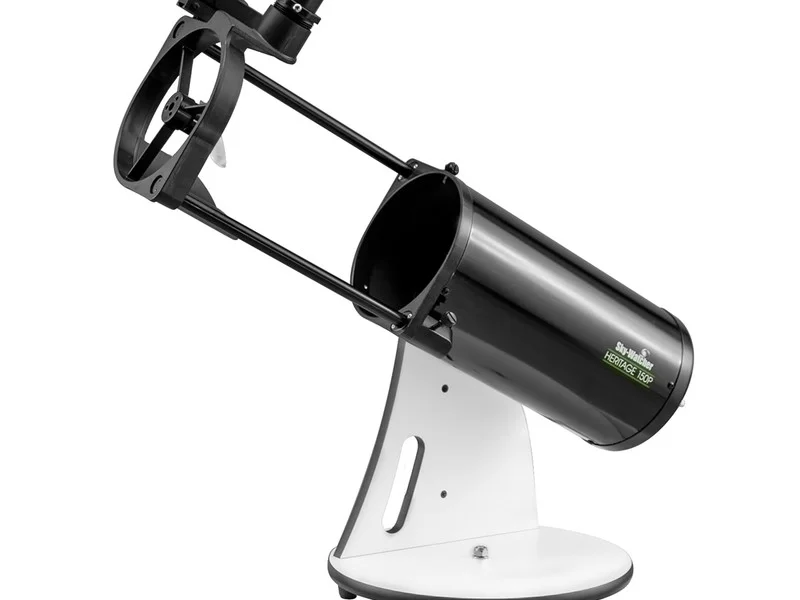
Sky-Watcher Heritage 150P
£249
150mm · f/5 · Tabletop Dob
The Heritage 150P gathers a third more light than the 130P for £55 more, the best value of any beginner telescope.
Best refractor
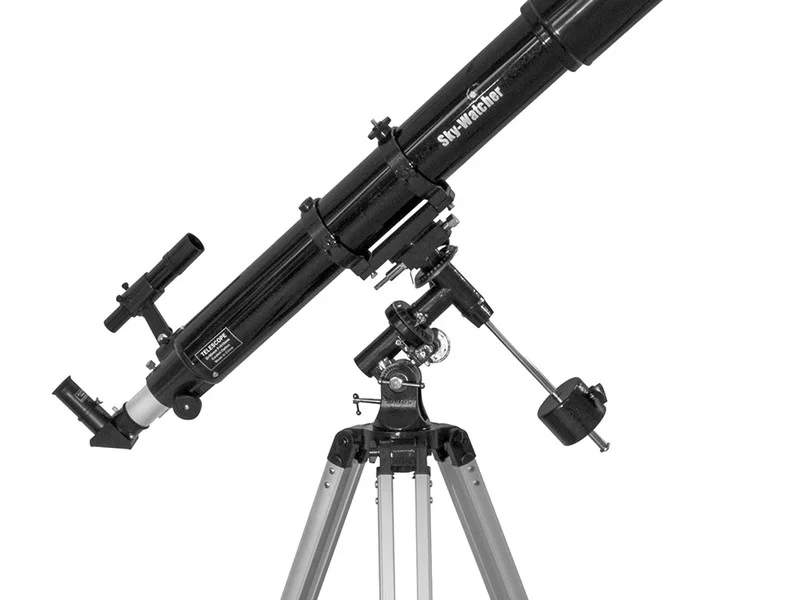
Sky-Watcher Evostar 90 EQ2
★ 4.4/ 5, our rating
£227
90mm · f/10 · EQ2 mount
The Evostar 90 is the best beginner refractor: sealed tube, no collimation, sharp on the Moon and planets.
Best 8-inch Dobsonian
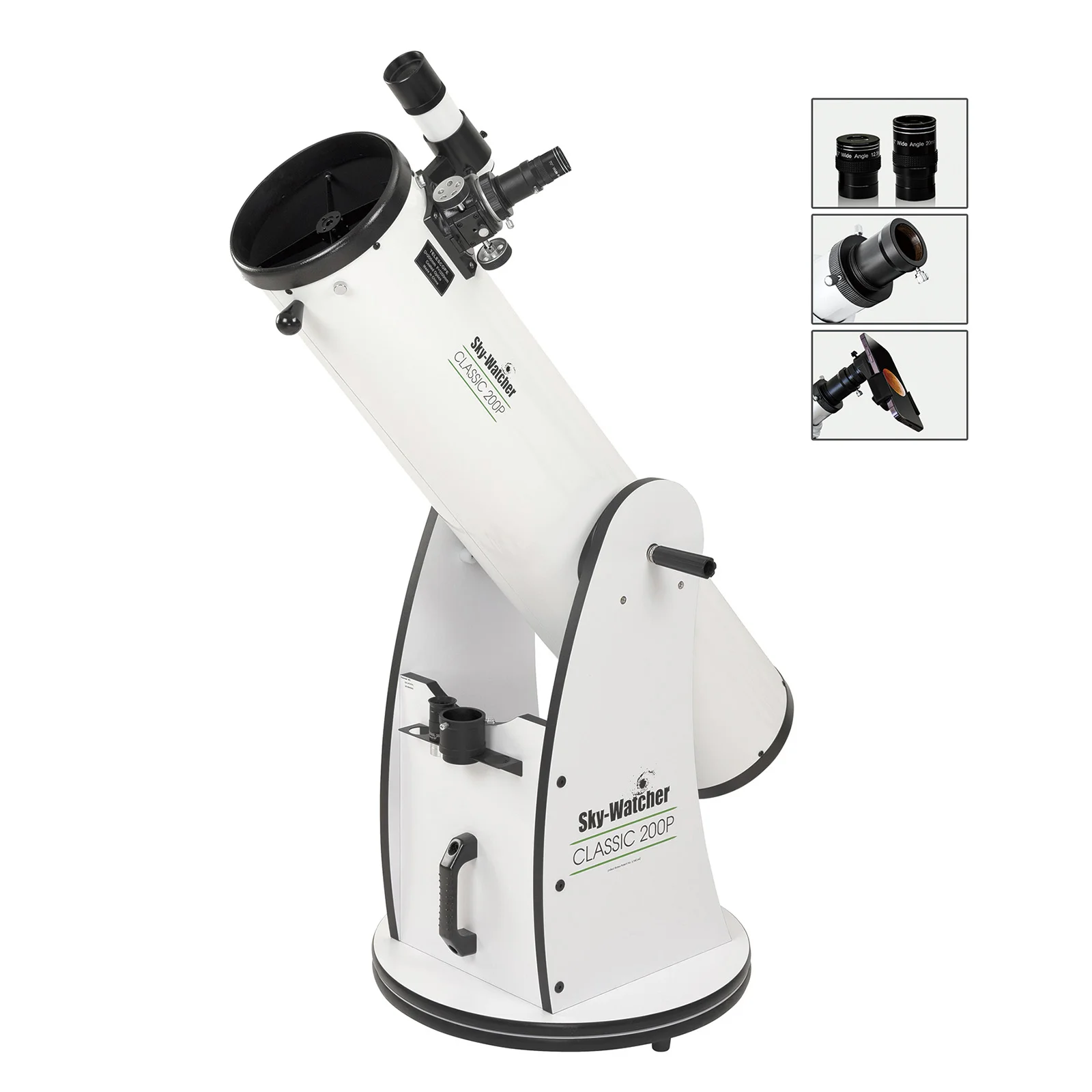
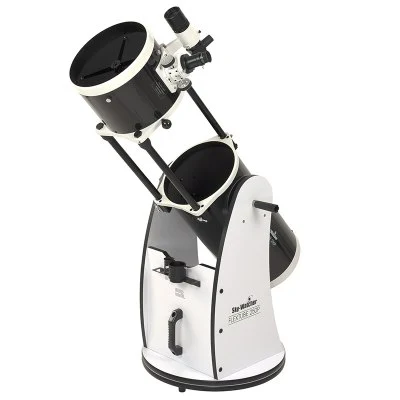
Sky-Watcher Skyliner 200P
★ 4.6/ 5, our rating
£341
200mm · f/6 · Floor Dob
The Skyliner 200P is the 8-inch Dobsonian most UK amateurs end up with; it shows galaxies and nebulae from a dark site.
Best GoTo
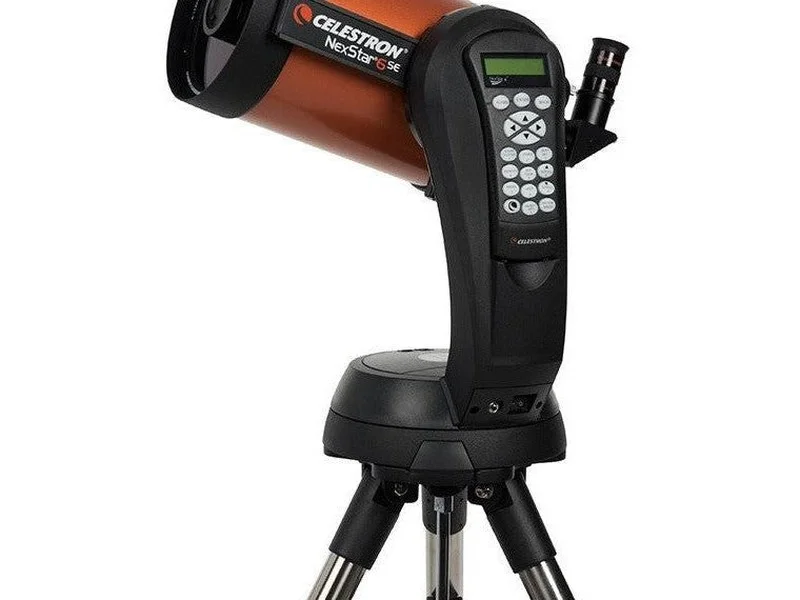
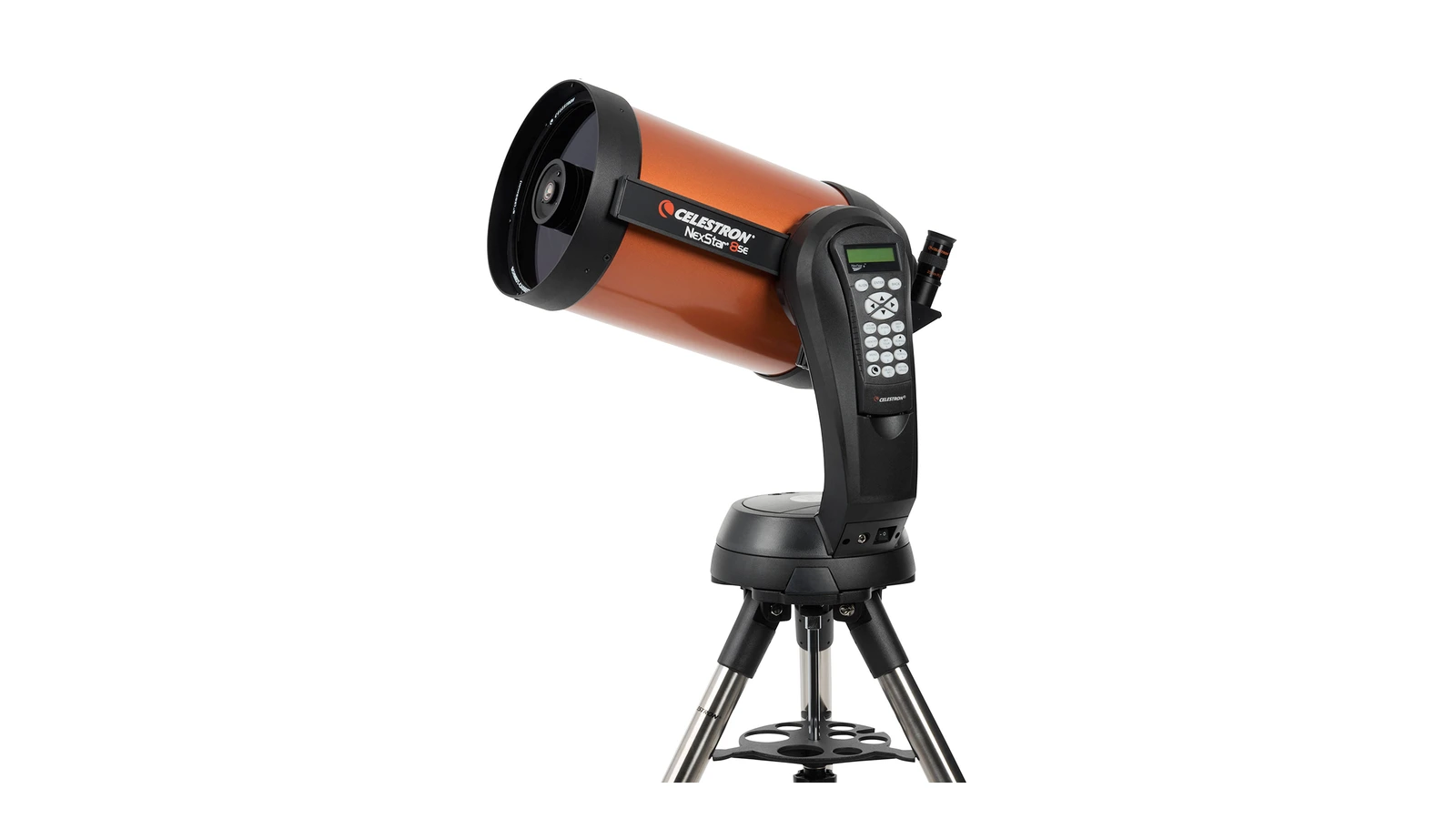
Celestron NexStar 6SE
★ 4.3/ 5, our rating
£1,199
150mm · f/10 · GoTo alt-az
The NexStar 6SE is the best GoTo telescope for beginners: it finds 40,000 objects for you.
Already own a telescope? Skip to the step-up picks. Want a scope for one job, such as planets, astrophotography or the Sun? See the specialist telescopes. New to all this? Start with stargazing for beginners, or try a pair of the best binoculars for stargazing first.
Some links on this page are affiliate links (First Light Optics). If you buy through them we may earn a small commission at no extra cost to you. It never influences our recommendations; see
how we choose.
All 13 telescopes we have reviewed, compared
Grouped by who each one suits. Prices are pulled from our product data and checked against First Light Optics.
How do you choose a telescope in the UK?
Three rules cover most of it. Aperture first, a simple mount second, and buy from a specialist, not a department store.
Aperture firstBigger mirror, more to see. 130mm shows the Moon and planets well; 200mm brings in galaxies. Aperture matters more than magnification, brand or "computerised".
Dob beats EQA Dobsonian points where you push it. Equatorial mounts need aligning every session, and most beginners give up on them.
Skip the kit scope"675× magnification" on a 60mm tube is the warning sign. Buy from a specialist astronomy retailer, not a catalogue or department store.
Which type of telescope for which job?
Aperture is king
The single most important number on any telescope is the aperture, the diameter of the primary mirror or lens. A larger aperture gathers more light, so you see fainter objects and more detail. Everything else, focal length, mount type, brand, is secondary. Our guide to telescope magnification explains why the big number on the box means nothing.
Dobsonian vs equatorial vs GoTo
A Dobsonian mount is the simplest: push and look. An equatorial mount tracks the sky's rotation with one axis, which is useful for photography and long sessions. A GoTo mount finds objects automatically. Beginners almost always have the best experience with a Dobsonian: less to go wrong, less to learn before your first good view. Our guide to how to use a telescope covers the first night with any of them.
Reflector vs refractor
Reflectors (mirror-based) give you more aperture per pound and excel at deep-sky objects. Refractors (lens-based) give pin-sharp, high-contrast views and need no maintenance, but cost much more for the same aperture. For most beginners a reflector is the better value.
Don't forget the eyepieces
The eyepieces bundled with most telescopes are functional but basic. Budget an extra £45 to £80 for one good eyepiece; it will transform what you see. See our eyepiece guide for specific recommendations, and how to collimate a telescope for the five-minute check that keeps a reflector sharp.
The tabletop question
The Heritage 130P and 150P are tabletop scopes and need a sturdy surface at waist height. If you don't have a suitable table in the garden, factor in a stool or plant stand (£15 to £30). The Skyliner 200P and NexStar 6SE stand on the ground on their own.
Not sure a telescope is right yet?
Binoculars are the cheaper first step and many observers never stop using them. Our best binoculars for stargazing guide starts at £84, and if you'd rather photograph the sky than look through an eyepiece, see how the Seestar S50 and Dwarf 3 smart telescopes compare.