Updated Every Sunday
UK Night Sky This Week
28 September – 3 October 2026
The UK night sky this week belongs to Saturn, which reaches opposition the day after the week ends and is already up from sunset to sunrise. The Moon is waning after last Saturday's Harvest Moon, so the early evenings stay bright until Friday, when the first moonless hour after dark returns. In between, the Moon rises beside the Pleiades on Wednesday night. It is a planets-and-Moon week rather than a galaxy week, but the end of it is noticeably darker than the start.
Jump to Night-by-Night Planner ↓🌠 What to See in the UK Night Sky Tonight: Saturn, Uranus and the Pleiades
This week the UK night sky offers Saturn at its brightest of the year, a day before opposition at 13:29 BST on Sunday 4 October, shining at magnitude +0.3 and up from dusk to dawn. On Wednesday 30 September the waning gibbous Moon rises at about 19:50 BST within 2° of the Pleiades in Taurus, with Uranus 7° away. Neptune, a week past opposition, sits 9° from Saturn, and the Moon reaches last quarter at 14:25 BST on Saturday 3 October, bringing back moonless evening skies on Friday and Saturday.
Saturn first, because it is the reason to go out on any clear night this week. Opposition means Earth is passing between Saturn and the Sun, so the planet rises as the Sun sets, stands highest around 01:00 and sets at dawn. It is also as close as it gets this year, about 1.26 billion kilometres away. Saturn rises at 19:09 BST on Monday and 18:49 by Saturday, sits about 25° up in the south-east by 22:00, and reaches 40° due south around 01:15 BST. That is not especially high from the UK, but it is the best Saturn has been placed at opposition for some years.
Through a small telescope at 100x the rings are the obvious thing, though they look narrower than in the photographs you may know. Earth passed through the ring plane in 2025 and they are only slowly opening again. Titan, at about magnitude 8.5, is easy as a star-like point a few ring-widths out. Look for the moment the rings seem to brighten slightly right at opposition: the ice particles throw light straight back at us when the Sun is directly behind Earth. It is subtle, and a steady night helps.
Wednesday night is the pretty one. The Moon is 79% lit and clears the north-eastern horizon at about 19:50 BST, just to the left of the Pleiades. By 21:00 the pair are 8° up with around 1.5° between them, which is close enough to share a binocular field. The glare swamps the fainter cluster stars, so expect five or six Pleiades rather than the usual dozens. Uranus is in the same patch of sky, but pick it out on another night.
For the pre-dawn crowd, Mars and Jupiter are both in the east before sunrise, now 18° apart and still closing towards their November meeting. Venus and Mercury remain lost in the sunset glare. If the forecast is marginal, tonight's stargazing score will tell you whether it is worth putting your coat on.
🌟 Planets Visible from the UK This Week
🌛 What Phase Is the Moon This Week?
The Moon is waning all week and rising later each evening. It comes up at 19:02 BST on Monday at 94% lit, then 19:22 on Tuesday (88%), 19:50 on Wednesday (79%), 20:32 on Thursday (69%), 21:33 on Friday (58%) and 22:50 on Saturday (47%). Last quarter is at 14:25 BST on Saturday 3 October. The Moon is still up after sunrise every morning, low in the west early in the week and high in the south by Saturday, which makes for good daytime Moon-spotting on the school run. Tonight's Moon phase has exact times for your location.
That steady lengthening of the gap between sunset and moonrise is the week's real story for anyone who wants dark sky. From Monday to Thursday the Moon is up before astronomical darkness begins. On Friday you get close to an hour of properly dark sky from 20:36, and on Saturday more than two hours from 20:34. The following week gets better still, with New Moon on 10 October.
A waning Moon is a late-night lunar target, and the best views come towards the weekend. By Saturday the terminator, the line between lunar day and night, runs down the middle of the disc close to the Apennine mountains, with the crater Copernicus a short way into the sunlit side. Low sunlight there throws long shadows, so it is the best lunar detail of the week. Late on Saturday night the Moon rises in Gemini, heading towards Mars and Jupiter, which it passes on the mornings of 5 and 6 October.
🌌 Deep Sky Targets for UK Observers This Week
Most of this week is too bright for faint galaxies. The exception is the start of the evening on Friday and Saturday, when astronomical darkness begins at about 20:35 BST and the Moon is still below the horizon. Use that window for the targets below. Earlier in the week, stick to clusters and double stars, which cope far better with moonlight.
- The Double Cluster in Perseus: two star clusters in one binocular field, rising in the north-east below the W of Cassiopeia. Good on any night this week, moonlit or not.
- Albireo, in the beak of Cygnus: a gold and blue double star split by any telescope at 30x, high in the south-west at 21:00. Double stars ignore the Moon completely.
- M31, the Andromeda Galaxy: high in the east by 21:00. On Saturday, before moonrise at 22:50, it shows as a long oval glow in binoculars from a dark site, perhaps three degrees across.
- The Milky Way through Cygnus and down towards the south-west: only on Friday or Saturday evening, only from a dark site, and only until the Moon comes up. It is sinking lower each week.
- The Pleiades: rising in the north-east from about 19:50 and clear of most rooftops by 21:30, best after 23:00. Six or seven stars with the naked eye, thirty or more in binoculars, and worth a look on Wednesday with the Moon alongside.
The next meteor shower is the Draconids on the evening of 8 October, a minor shower that is worth an hour under that week's dark sky; the meteor shower calendar has the details. Meanwhile, check tonight's ISS passes and the aurora forecast, since the weeks around the equinox are statistically good for UK aurora.
🔔 Get Alerts for Clear Nights
📅 Night-by-Night Planner: 28 September – 3 October 2026
Sunset falls from 18:51 BST on Monday to 18:40 on Saturday, sunrise moves from 07:03 to 07:12 · The Moon rises between 19:02 and 22:50, so each evening has a little more dark sky than the last · All times BST, calculated for central England
📖 Go Deeper
What to use this week
Kit we've tested and reviewed in full
The Moon is waning this week and rising later every evening, so the gear that earns its place is the gear that works on bright planets and bright clusters, with a bonus dark hour on Friday and Saturday evenings. Binoculars for the Moon beside the Pleiades and for Uranus; a telescope for Saturn the week of its opposition, and for Neptune next door.
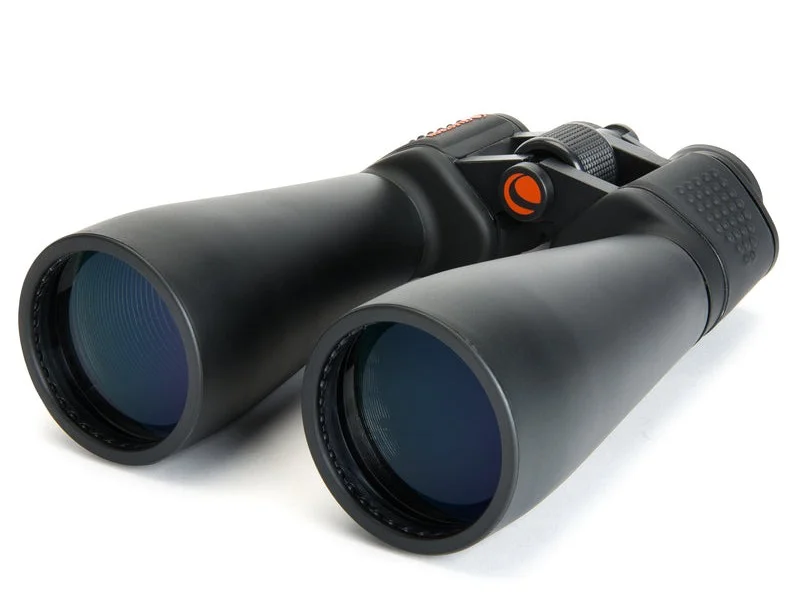
On Wednesday 30 September the Moon rises at about 19:50 BST within 2° of the Pleiades, and 15x70s frame the pair in a single field once they clear the rooftops around 21:00. The same binoculars pick up Uranus at magnitude 5.7, 7° from the cluster in Taurus, best on Friday or Saturday when the Moon rises later. They are heavy, so a tripod adapter makes a real difference.
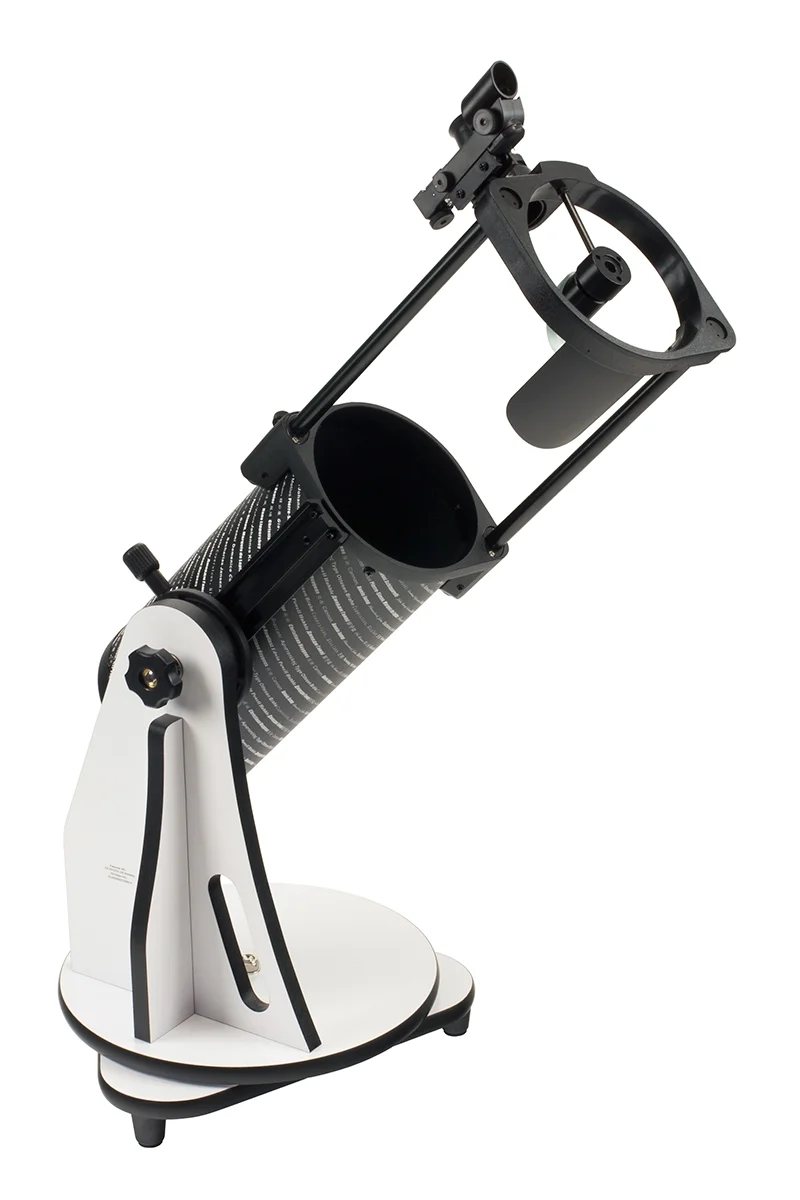
Saturn reaches opposition at 13:29 BST on Sunday 4 October, and all week it stands 40° high due south around 01:15 at magnitude +0.3. A 130mm Dobsonian at 100x shows the narrow rings, Titan and a couple of fainter moons. Nine degrees west, Neptune at magnitude 7.7 is a small blue-grey disc at 50x or more; try it in the dark hour before moonrise on Friday or Saturday evening.
Equipment guides
Telescopes, binoculars, mounts, cameras, and accessories: honest, research-based recommendations for every budget.
Browse all →Affiliate links: you pay the same price, we earn a small commission that helps keep WatchTheStars free.